Home Adaptation Installer
ARN PROJECTS
Accessible Home Modifications for Safer Independent Living
ARN Projects operates as a home adaptation installer, delivering accessibility-focused home modifications that support safer, more practical, and more independent living. These works are delivered through a structured, construction-led process that prioritises safety, clarity, and predictable outcomes.
This page explains what home adaptations involve, who they are designed for, how adaptation projects are installed, and how accessibility-focused work fits within a wider residential construction framework.
What Is a Home Adaptation?
A home adaptation is a physical modification made to an existing property to improve accessibility, safety, and everyday usability. Adaptations are often required when the layout, access routes, or internal features of a home create barriers that limit independence or increase the risk of injury.
Rather than cosmetic changes, home adaptations focus on functional outcomes. They are designed to make daily activities easier and safer, particularly where mobility, balance, or access has become more challenging. When delivered correctly, a home adaptation should feel integrated into the property rather than added as a temporary solution.
Our role is construction-led and practical. We design and install built modifications safely and correctly. We do not provide medical, clinical, or advisory services.
Who Home Adaptations Are Designed For

Home adaptations are commonly required by people living with disabilities, individuals with reduced mobility, and older adults who wish to remain safely and independently in their own homes.
Adaptations may also be needed in households supporting a family member whose accessibility needs have changed over time.

While the circumstances differ, the objective remains consistent: to remove physical barriers within the home, reduce everyday risk, and improve confidence and independence in daily living.
Home adaptations are also appropriate where a property no longer supports everyday movement or access safely, even if no formal diagnosis is involved.

Changes in mobility, balance, or strength over time can make standard layouts difficult to use, particularly in bathrooms, entrances, or circulation areas.
In these situations, adaptations are focused on improving practical usability and long-term comfort, allowing the home to continue supporting independent living as needs evolve.
LEARN ABOUT
WHAT WE DO AS A Home Adaptation Installer
ADAPTIONS FOR RENTAL PROPERTIES
Discover Adaptation for rental properties to achieve rapid, reversible access and bathing solutions in rented homes. See all the practical options, clear costs, and timelines.
COMPLEX & LARGE SCALE ADAPTATIONS
Learn how Complex and large scale adaptations coordinate structural changes, multi-room layouts, and equipment—review buildable options, risk-managed programmes, and compliance.
HYDROTHERAPY FACILITIES
See how Hydrotherapy facilities unite accessible design with reliable plant and hygiene—view feasibility, environmental control, and commissioning pathways for home therapy.
OUTDOOR ACCESSIBILITY SPACES
Find out how Outdoor accessible spaces deliver level routes, ramps, and terraces—compare surface choices, drainage plans, lighting layouts, and seating ideas.
MODULAR ADAPTATIONS
Take a closer look at Modular Adaptations for fast, low-disruption installs—consider shower pods, ramp systems, and staged pathways to permanent works.
CONSULTANCY
Get the details on consultancy for decision-ready assessments and feasibility. Options, costs, and staged routes from urgent needs to permanent adaptations.
Types of Home Adaptations We Install
The type of adaptation required depends on both the property and the individual using the space.
Each project is assessed on its own merits, taking into account the
- existing structure,
- layout constraints,
- and the outcomes the adaptation needs to achieve.
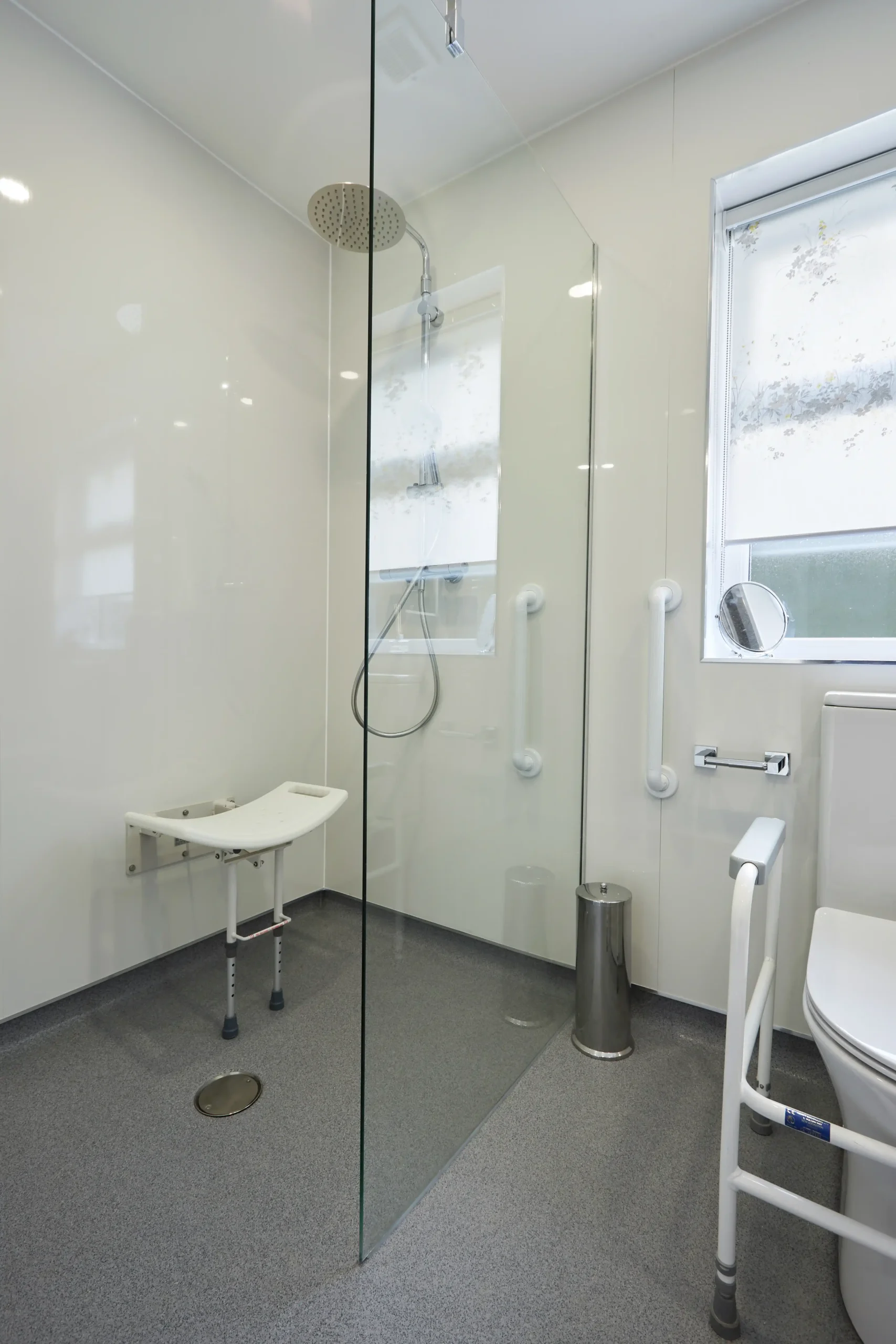
Home adaptation work may involve improving internal access and circulation, upgrading bathrooms to improve safety and usability, or adjusting internal layouts so essential rooms are easier to reach and use.
In all cases, adaptations are planned so they integrate properly with the existing home and remain suitable for long-term use.
A Structured Installation Approach
Accessibility projects carry significant risk when scopes are unclear or delivery is fragmented across multiple trades. Poor coordination can lead to unsuitable outcomes, safety concerns, or unnecessary disruption within occupied homes.
ARN Projects delivers home adaptations through a structured installation process that places control and clarity at the centre of delivery. Each project begins with clear scope definition so the required outcomes, responsibilities, and constraints are fully understood before work starts.
Installation is then delivered in carefully sequenced stages to keep the home safe and usable throughout the process. Build stages are controlled to reduce disruption, and work is reviewed at defined milestones to ensure it meets agreed standards before progressing. This structured approach supports predictable delivery and safer outcomes.
Home Adaptations Within Residential Construction
Home adaptations are often delivered alongside broader residential works, particularly where a property is being renovated, extended, or reconfigured. Coordinating accessibility modifications with other construction activity helps avoid duplication of work and ensures that adaptations integrate properly with the overall layout of the home.
Where relevant, adaptation projects may align with wider residential services, such as:
Trust, Safety, and Compliance
Accessibility-focused construction must be delivered responsibly. ARN Projects approaches home adaptations as risk-aware residential building work, with careful consideration given to safety, sequencing, and long-term usability.
Work is delivered with clearly agreed scopes, quality checks at key stages, and compliance aligned with current building standards. This ensures adaptations are not only functional on completion, but safe, durable, and appropriate for everyday use over time.
Our responsibility as a home adaptation installer is to deliver built outcomes that support independence while maintaining the integrity and safety of the home.
How an Adaptation Project Is Delivered
Adaptation projects follow a clear delivery framework designed to maintain transparency and control from start to finish.
Projects typically move through consultation and feasibility review, followed by scope definition and installation planning.
On-site delivery is sequenced carefully, with quality and compliance checks carried out before completion and handover.
This framework allows adaptation work to be delivered safely and predictably, even when the home remains occupied during construction.
LEARN ABOUT
WHO WE WORK WITH
DEPUTIES AND SOLICITORS
See how Deputies and solicitors partner with us to commission compliant, defensible home adaptations. Scoped options, itemised costs, variation control, & full documentation before you proceed.
CASE MANAGERS
Learn how Case managers align clinical goals with buildable works. View staged plans, risk notes, therapy-friendly sequencing, and measurable outcomes for safer transfers and independence.
OCCUPATIONAL THERAPISTS
Discover how Occupational therapists translate assessments into practical adaptations. Explore transfer routes, equipment integration, and maintainable specifications that support function.
SPECIALIST ARCHITECTS
Partner with Specialist architects to deliver complex home adaptations; Assess build feasibility, coordinate with clinical and design teams, manage services integration, de-risk sequencing, and installations
INSURANCE COMPANIES
See how Insurance companies achieve audit-ready, cost-controlled adaptations; compare options tied to liability, approve variations clearly, and evidence outcomes with certificates, photos, and warranties.
PROVATELY FUNDED CLIENTS
Work with Privately funded clients to create discreet, elegant adaptations. Premium finishes, reversible options, and clear programmes that protect daily living while meeting long-term needs.
FOR HOMEOWNERS IN LANCASHIRE…
Areas We Deliver Home Adaptation Installations
ARN Projects delivers home adaptation installations across a defined service area:
We also operate across wider regions such as:
Fylde
Wyre
- South Ribble Valley

wHY CHOOSE US
Speak With a Home Adaptation Installer
If you are planning accessibility focused home modifications and want to understand feasibility, scope, and delivery requirements, ARN Projects offers structured consultation before work begins.
Each adaptation is delivered as a considered construction project, ensuring the home continues to support independent living safely and practically over time.