


Preston Area Guide for Residential Projects
Preston has a varied residential landscape, from established suburban streets to rural-edge plots and newer development areas. This page looks at the local factors that commonly shape residential projects here, including housing stock, access, site constraints, planning context, and the practical conditions that can influence what is straightforward and what may need more thought.
Common locations include Fulwood, Penwortham, Broughton, Grimsargh, Goosnargh and surrounding areas, each with slightly different conditions around plot size, street layout, parking, neighbouring properties, and the relationship between the home and the wider setting.
If you are planning changes to a home in Preston, it helps to understand these local factors early, particularly where access, drainage, existing structures, or approval requirements may affect what is realistic before plans are finalised.
If helpful, you can also view our page on builders in Preston for a broader overview of project delivery and practical next steps.
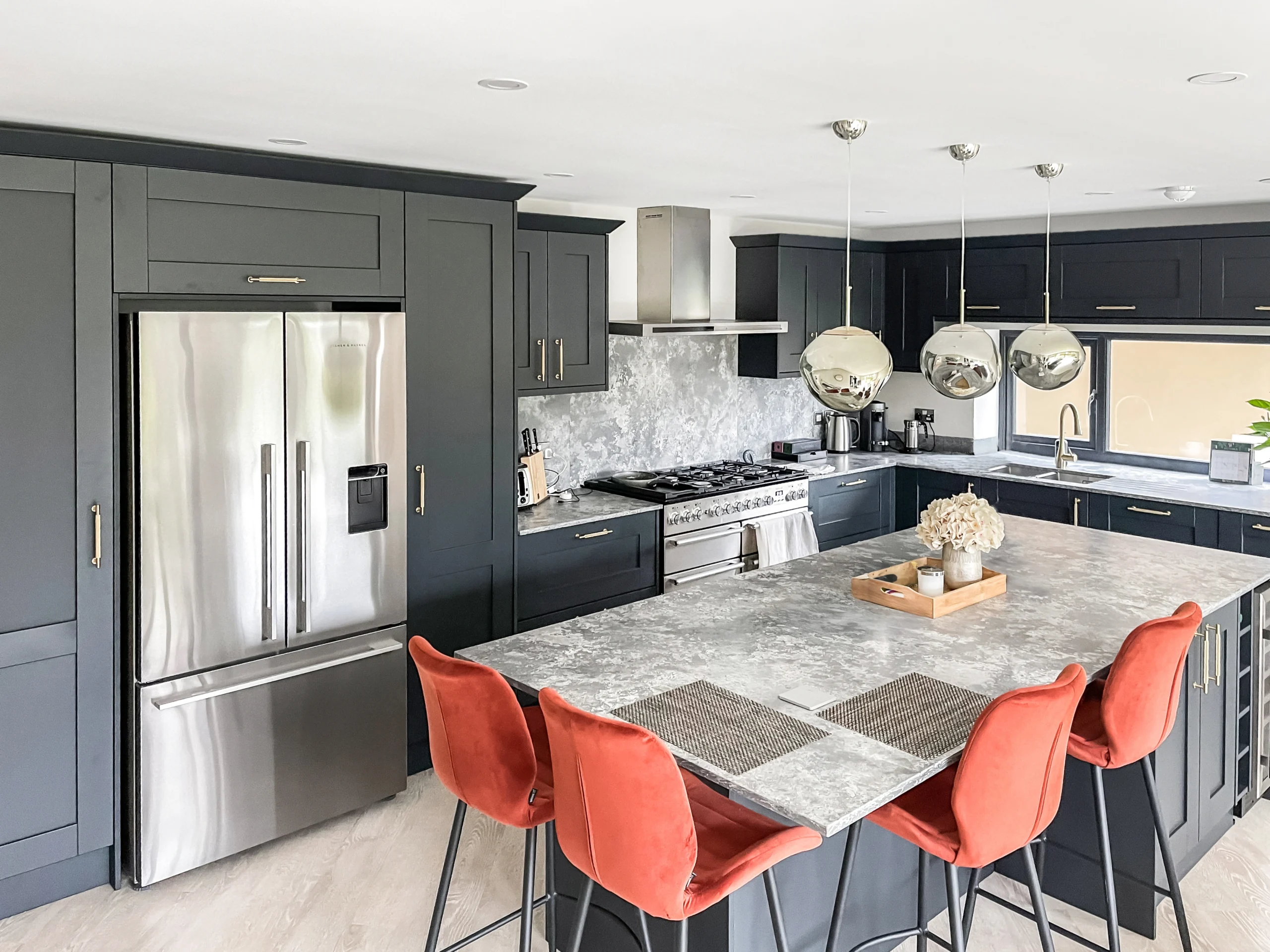
Preston housing stock and project considerations
Preston includes a broad mix of property types, from Victorian and Edwardian terraces to post-war semis, detached family homes, and newer estates. That variety affects how residential projects are approached. In older homes, the main issues are often layout limitations, dated services, uneven existing structure, or restricted access. On newer developments, the constraints may be tighter plot boundaries, estate layouts, parking pressures, or design conditions linked to the surrounding area.
The factors that often need consideration include:
- Access and logistics: parking, delivery timing, storage space, and protecting neighbouring property on narrower residential streets
- Ground and drainage: levels, surface water strategy, and ground conditions, particularly on edge-of-settlement sites
- Shared boundaries: side access, overlooking, the relationship with adjacent structures, and whether any party wall matters may arise
- Approvals and checks: understanding whether planning input, building control approval, or supporting information may be needed before moving forward
Clarifying these points usually makes the next stages easier to plan and reduces the risk of avoidable delays once decisions are being finalised.
How local conditions can affect projects
In Preston, the same type of project can vary significantly depending on the property and its surroundings. A rear extension to a detached home with good access is very different from work to a terrace or semi where materials must pass through narrow side access, parking is limited, and neighbouring properties sit close by.
Older housing stock can also bring practical issues that only become clear once plans are examined more closely, such as irregular walls, floor-level changes, dated drainage runs, or services that may need upgrading as part of wider reconfiguration.
On rural-edge sites, the focus is more likely to be on access routes, levels, drainage strategy, and how the plot connects with surrounding land.
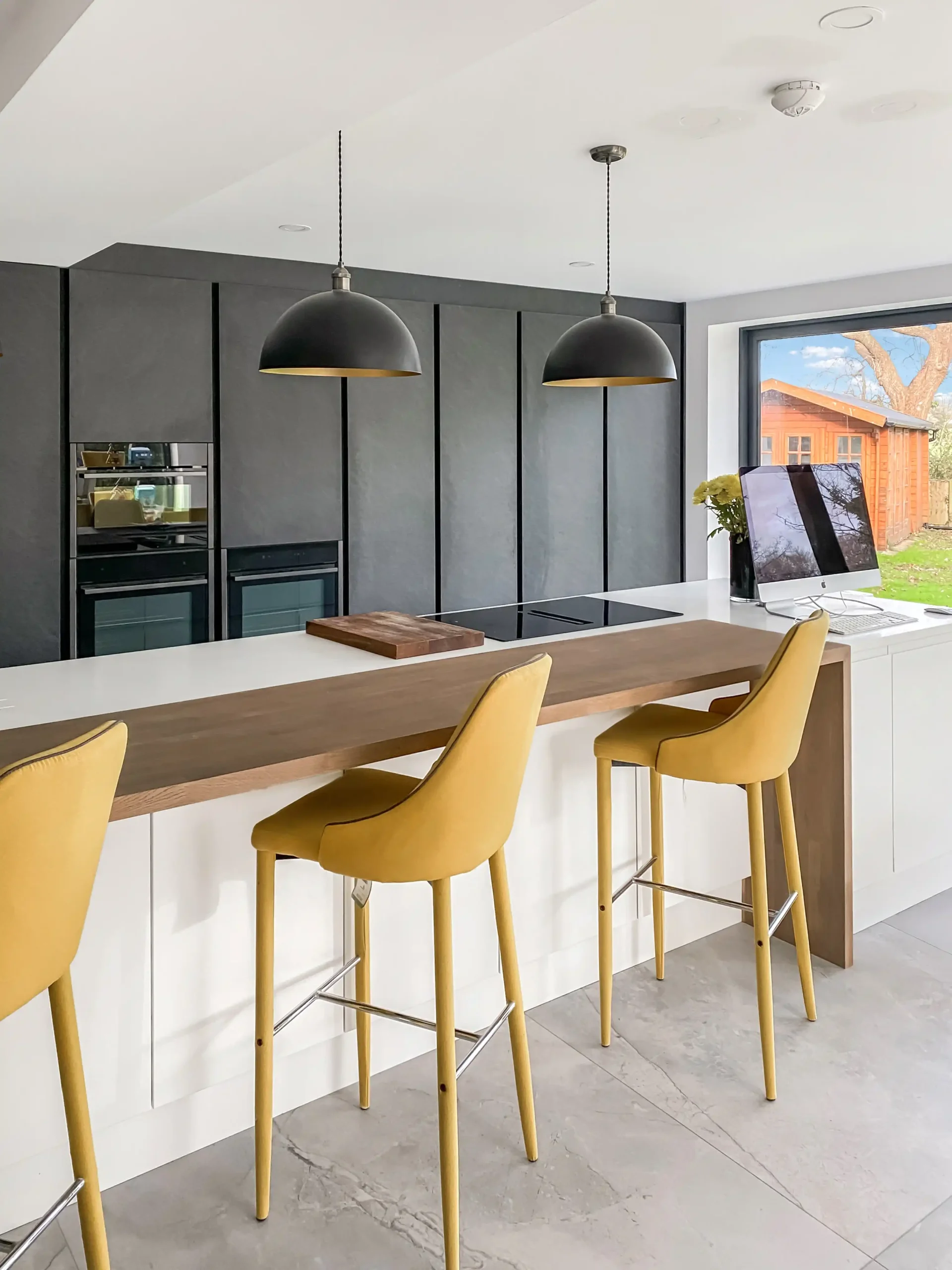
Common Property Types
Preston includes older terraces and semis, larger detached homes, and more recent developments.
Each type brings different considerations around access, layout, drainage, and how new work would connect with the existing property.
Logistics and site setup
Street access, parking, storage space, and delivery timing can all affect how easily a project is organised.
On tighter streets these details often need more thought, while larger plots may still raise questions around levels, drainage, and site movement.
neighbours and shared boundaries
Many residential areas in Preston involve close proximity between homes, shared boundaries and limited side access.
In these situations, issues such as neighbour awareness, party wall matters, working space and visibility from adjoining properties tend to matter more.
The most disruptive stages of work often need careful timing where homes sit close together and access is limited.
Changing needs
Many projects are shaped by how homeowners want to use their space now, rather than how the house was originally arranged.
That may involve better circulation, more usable living space, or changes to suit family life, accessibility, or longer-term needs.
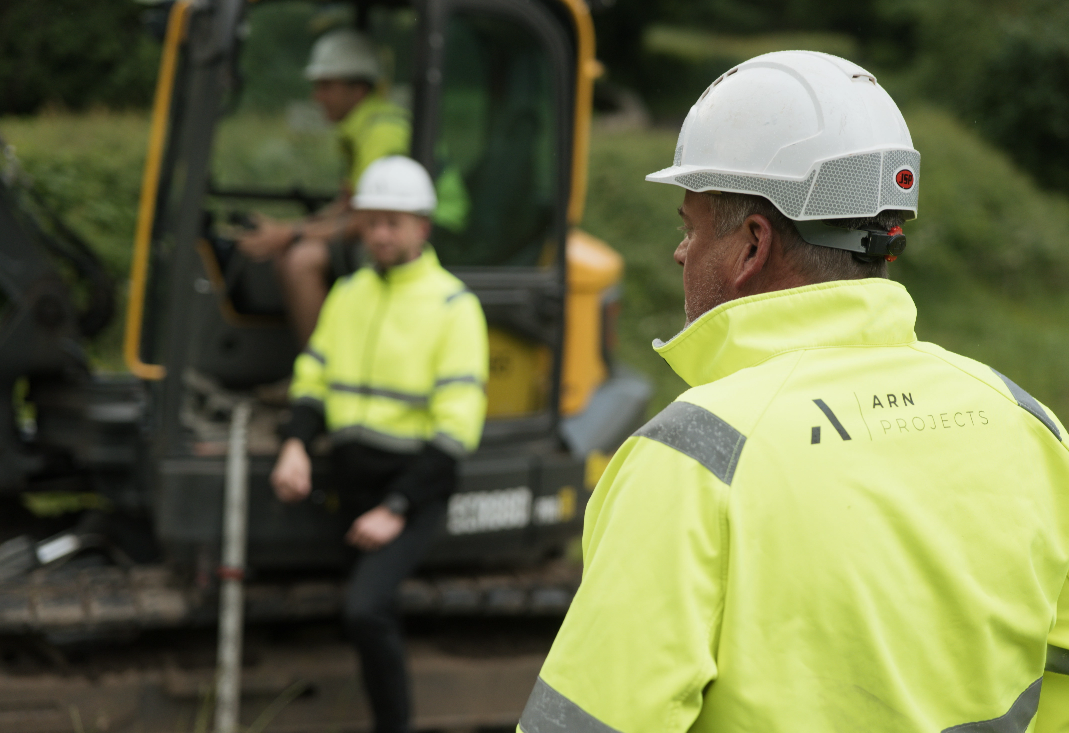
Planning and local authority context
In Preston, planning matters are generally dealt with through Preston City Council as the local planning authority, and the route forward will depend on the property, its setting, and the type of work being proposed.
Some projects may fall within permitted development rights, while others may require a householder planning application, supporting drawings and documents, or revisions in response to design or policy considerations.
For homeowners, it helps to understand these issues in relation to the individual property, the surrounding street scene, and any local constraints that may affect timing or decision-making.
Depending on the scheme, this can also involve local validation requirements, drainage matters, and the separate approvals or inspections required through building control.
A broader view of project planning in Preston
When planning residential work in Preston, it helps to look beyond the proposed changes themselves and consider the wider conditions around them: the type of property, access, drainage, neighbouring homes, approval requirements, and how the household will function while plans are being taken forward.
A clearer understanding of those factors at the outset usually makes later decisions easier and helps reduce avoidable changes once plans are moving forward.
If you want to understand more about residential building work in Preston, you can also view our dedicated page covering project delivery, coordination, and practical next steps.
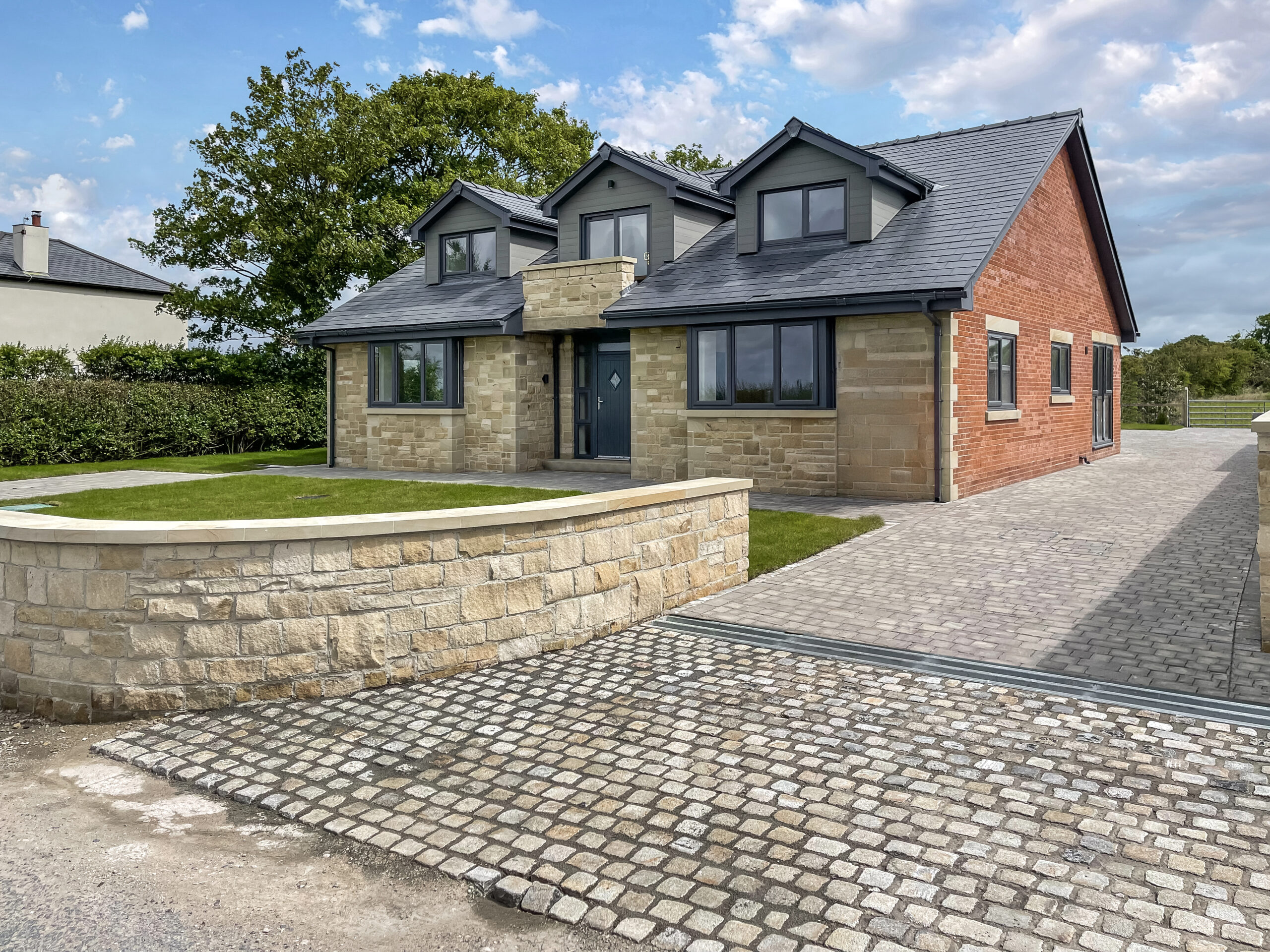
Speak with ARN Projects
If you are considering changes to a home in Preston, the first step is usually understanding the property itself, the local planning position, and the practical constraints that may shape what is realistic.