


Residential Area Guide for Blackpool
Residential projects in Blackpool are shaped by more than drawings and finishes alone. Property type, street access, neighbouring homes, coastal exposure, and the condition of the existing structure can all influence what is straightforward and what may need more thought before plans move forward.
Across Blackpool, housing varies from older terraces and traditional semis to detached homes, bungalows, and mixed-age suburban properties. That means the practical considerations can change significantly from one street to the next, even where the end goal looks similar on paper.
If you are considering changes to a property here, it helps to understand those local conditions early. If you also want a broader overview of how projects are typically taken forward, you can visit our page on builders in Blackpool.
Why Local Conditions in Blackpool Matter
Many of the biggest differences in residential projects appear before work begins. Access arrangements, likely disruption, drainage routes, neighbouring boundaries, and the realities of working around an existing home all need to be considered early.
In Blackpool, this can matter even more because housing stock is varied and local conditions can influence how practical options are assessed. Older properties may contain hidden changes from previous decades, while tighter streets can affect deliveries, storage, and general site setup.
Blackpool Housing Stock and Property Types
Blackpool includes a broad range of residential property types, and that variety affects how projects are considered. Terraced homes can present limited access, close neighbouring relationships, and less flexibility around setup.
Semi-detached and detached properties may offer more working room, but they can still involve structural, drainage, or layout constraints that need reviewing at the outset.
Older homes often require closer attention to the existing fabric. Wall construction, floor levels, roof structure, past alterations, and service positions can all influence what is straightforward and what requires a more cautious approach.
Working with Existing Structures
On many residential properties, the existing home shapes what is realistic. Openings, alterations, and upgrades all depend on the structure, condition, and services already in place.
This is often more relevant in homes that have been altered or extended before, where hidden changes can affect planning, timing, and the options available.
Access, Parking, and Neighbouring Properties
Practical constraints can shape residential projects across Blackpool. Narrow streets, limited parking, restricted access, and close neighbouring properties can all affect deliveries, storage, site setup, and how work is organised.
In occupied homes, these factors may also influence which options are most practical.
Older buildings
With terraces and mixed-age masonry, unexpected issues are not unusual.
Older materials, previous alterations, and changes made over time can all influence how a property is assessed before plans are developed further.
Coastal Conditions and External Exposure
Blackpool’s coastal setting can affect external parts of a property, especially where exposure is higher.
Wind, rain, and changing conditions can influence material performance, maintenance needs, and longer-term upkeep, so these factors are useful to consider early.
Blackpool Borough Council Requirements & Planning
For many homeowners, one of the first questions is whether proposed work is likely to fall within permitted development rights or whether a formal planning application may be needed through Blackpool Borough Council. That will depend on the property, the scale of the changes, visibility, and the local setting.
Where approval is required, it helps to consider drawings, supporting information, and likely planning issues early. Design, drainage, access, neighbouring amenity, and how the proposed work relates to the existing property can all become important as plans develop.
A sensible early step is making sure the proposal suits both the property and the local context before too much time is spent pushing it forward. That usually means understanding the likely approval route early and not assuming a project will be straightforward just because something similar has been done elsewhere.
Why Project Clarity Matters
A large share of project stability comes from understanding the practical details early. Clear assumptions, realistic scope, and a sensible order of decisions all help reduce uncertainty later on.
That becomes even more important where a property is older, access is restricted, neighbors are close by, or the home remains in use. A better understanding of those conditions usually makes the next step easier to judge.
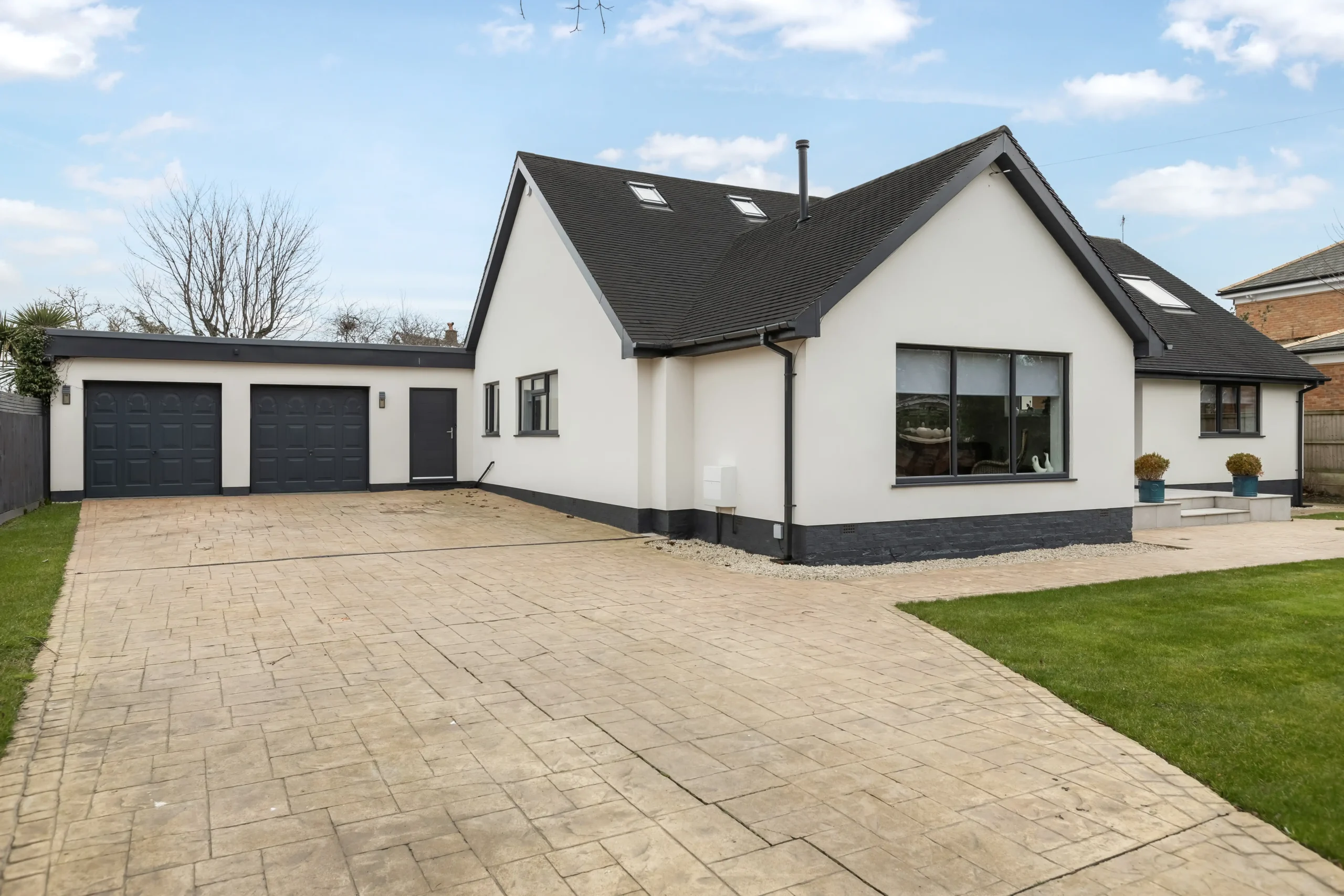
Blackpool: Local Factors That Shape Projects
In Blackpool, residential projects are often influenced by local housing patterns, coastal exposure, access limitations, neighbouring properties, and the condition of the existing home.
These details may seem secondary at first, but they often play a major role in what is realistic and how smoothly plans can move forward once decisions are being made.
If helpful, you can also read more about residential building work in Blackpool for a broader overview of the next stage.